
Leaks, Water Damage and Mold in Las Vegas
Begin by stopping water. To prevent mold growth, dry water-damaged items and areas within 24 to 48 hours, as the EPA advises.
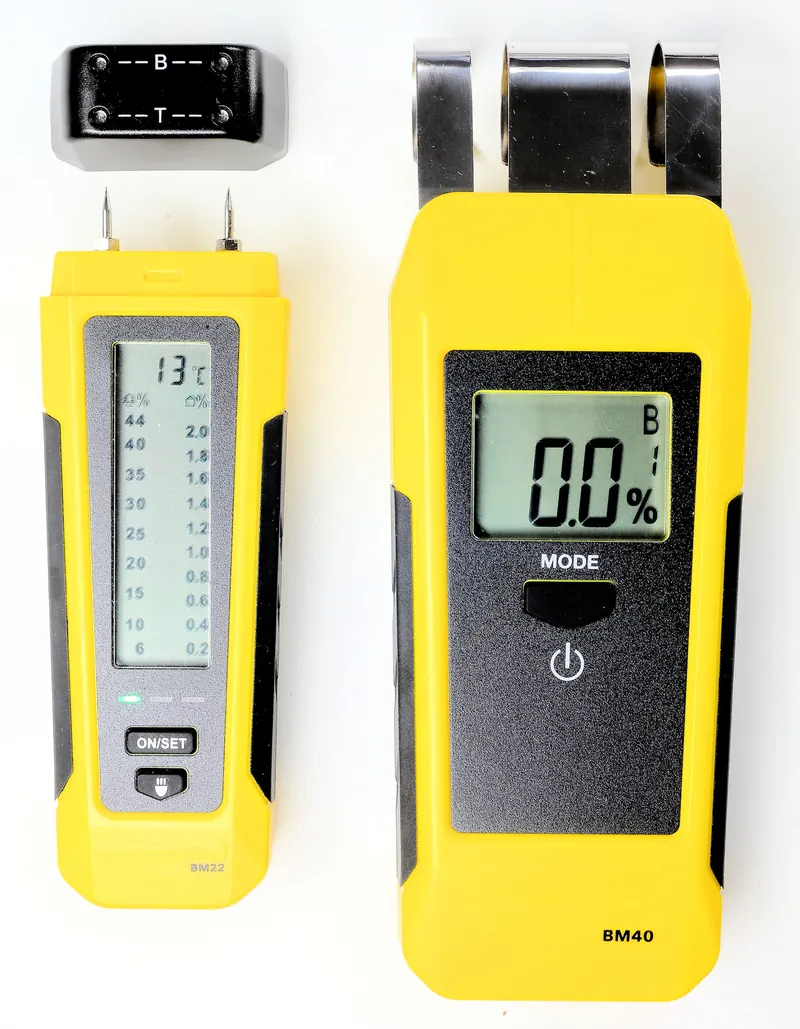
- Check moisture before repairs
Find out what to do next about moisture damage, visible mold or a musty odor. You can call around the clock about wet materials and what mold remediation could entail.
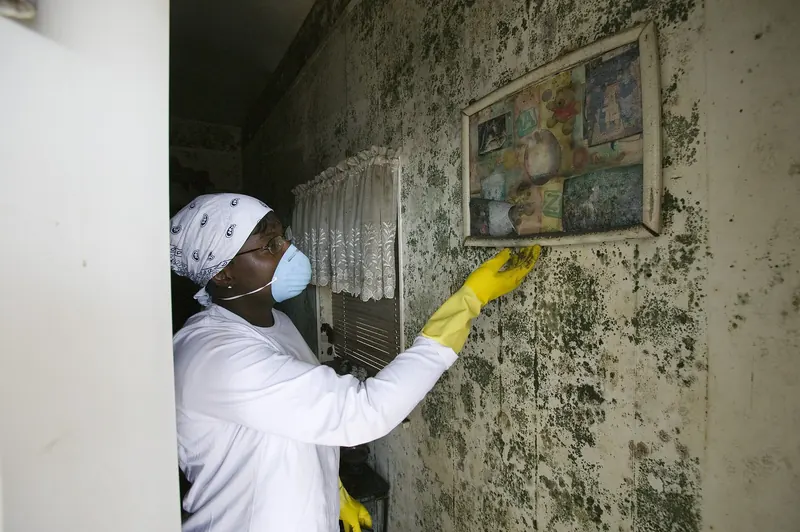
Mold removal finds the moisture source, contains the affected area, removes material that cannot be cleaned and dries what can stay.
Mold mitigation and mold cleanup refer to work related to mold abatement and mold remediation. Your scope should tackle the underlying water intrusion or humidity issue as well as damp materials and visible mold growth.
Disposal may be necessary for porous drywall, ceiling tile and carpet. You can clean many non-porous surfaces, then dry them.

Your cleanup plan depends on materials and moisture.

Begin by stopping water. To prevent mold growth, dry water-damaged items and areas within 24 to 48 hours, as the EPA advises.
Use your property type, room or moisture cause to choose. Compare guides covering costs, testing and mold inspection as well.
Ask how the leak, condensation or humidity problem will be found and corrected.
Look for affected materials, containment, drying, cleanup and repairs in the scope, along with possible reasons for price changes.
For post-remediation verification, if required, use an independent assessor to avoid a removal company assessing the work it completed.
Preserve helpful records, keep from disturbing growth and stop water only when safe to do so.
Call (844) 352-3560Follow mold remediation steps in sequence: assess, set up containment, remove damaged material, clean and dry, verify results, and finally dismantle containment.
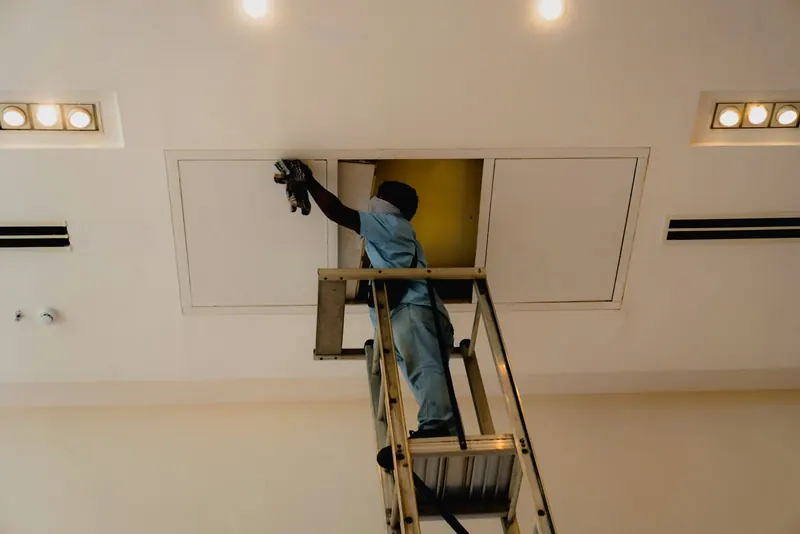
To trace affected materials and the moisture source, use a moisture meter and, where helpful, a thermal imaging camera.
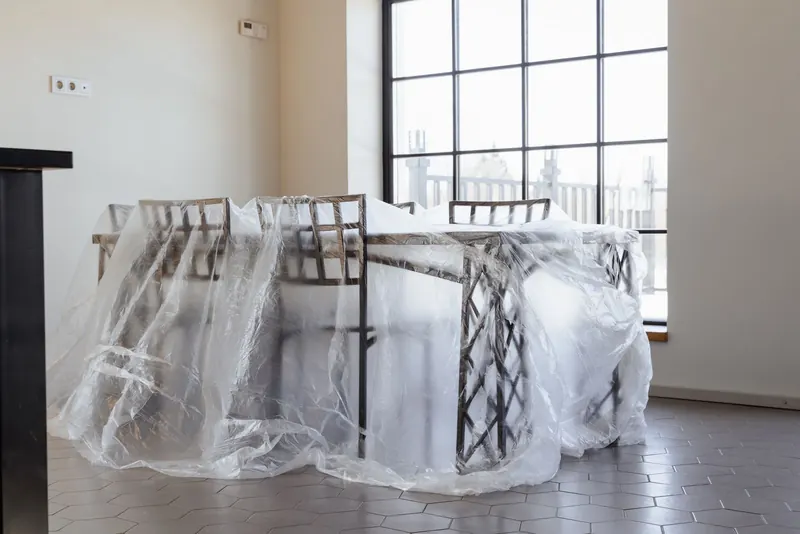
Poly sheeting forms a containment barrier. To limit particles entering clean rooms, negative air pressure works alongside an air filtration device called a HEPA air scrubber.
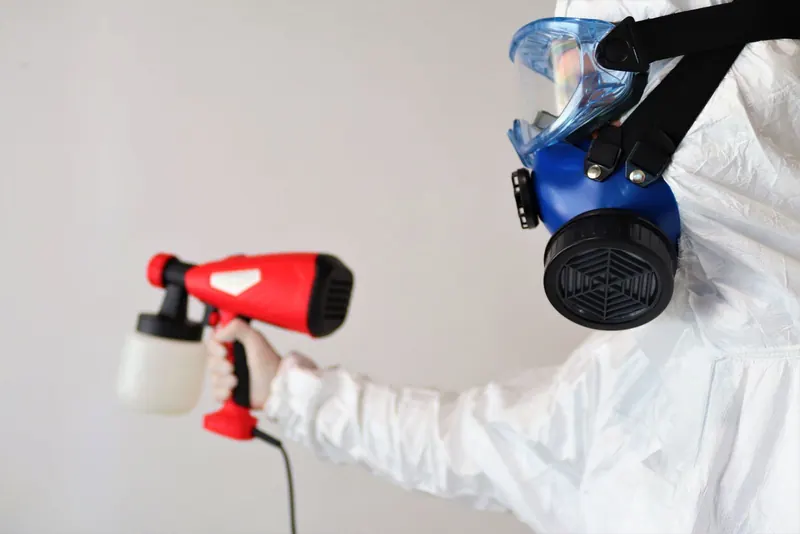
Workers make use of protective equipment. Drywall removal or other demolition of damaged porous materials may be needed.
Clean remaining non-porous surfaces through damp wiping and use of a HEPA vacuum. Moisture readings guide drying alongside air movers and a dehumidifier.
An independent assessor may use clearance testing, air sampling or a visual check for post-remediation verification.
Phone at any hour. A mold cleanup specialist answers, explains the next steps and discusses the moisture problem with you.
Disturbing affected materials can send dust and mold spores into clean rooms, making containment important.
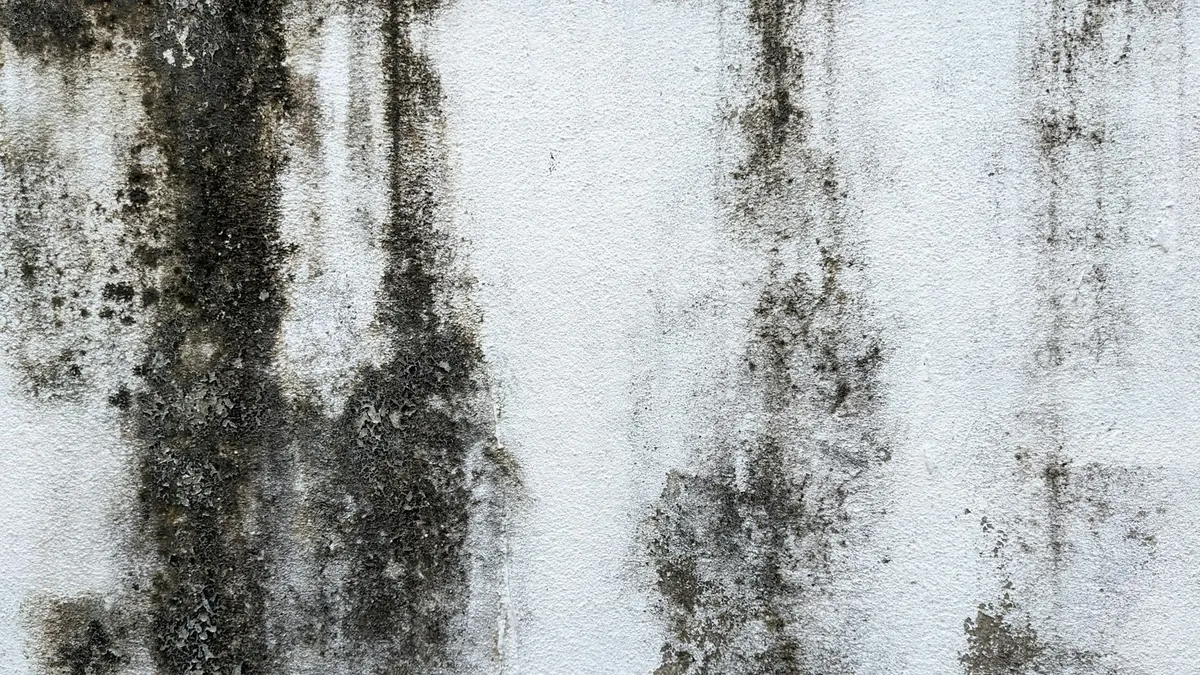
Black mold and toxic mold are search terms. You cannot judge mold risk by color, the CDC says.
Your insulation, subfloor or framing could still be wet despite a surface appearing dry. Moisture readings help establish your affected area.
Some people experience allergy or asthma symptoms triggered by mold. The CDC identifies people with lung disease, weak immune systems or asthma as being at greater risk.
Drywall cutting and carpet pulling can send particles into the air. To reduce movement, use negative air pressure together with HEPA filtration.
According to Fixr, the typical nationwide range for mold remediation is $1,500 to $9,000. For professional work covering more than about 10 square feet, the listed rate is $10 to $30 per square foot. Containment, drying, repairs and materials determine your price along with the affected area.
| More mold removal costs | Published range |
|---|---|
| Crawl space mold removal Source: Fixr, Mold Remediation Cost (checked 2026-10-23) | $500 to $2,000 |
These are published national ranges, not a quote. Your actual price is set after an on-site assessment and should be explained before work starts.
Insurance coverage depends on the policy and moisture cause. Sudden water events covered by your policy may qualify, but humidity, neglect and persistent leaks commonly have limited or excluded coverage.
Find out whether a mold sublimit applies and the water event qualifies for coverage, plus what an insurance claim requires before material removal.
Nevada landlord and tenant rules are in Nevada Revised Statutes Chapter 118A. The Southern Nevada Health District says it does not take landlord-tenant disputes and points renters to the UNLV landlord-tenant program and Nevada Legal Services.
Ask which mold and moisture findings must be disclosed before a sale or lease in your area.

After the water problem is fixed, occupants can often clean areas under about 10 square feet themselves, according to the EPA. Get professional help for contaminated water, larger areas or HVAC involvement.
Not sure? Call (844) 352-3560
Units plus shared buildings, taking plumbing and access into account.
Learn moreYour property condition cannot be inferred from housing figures that describe the surrounding area. Plan access, moisture repairs and records around what an assessment finds.
Census ACS 2024 5-year (tables B01003, B25003, B25035, B09021 and B25024). Area estimates do not establish conditions at an individual property.
Your property needs its own assessment. The area figures do not establish the age or condition of your building. Plan access around the rooms and materials that need attention.
Keep dated photos and repair records. Ask who can authorize access, who will repair the moisture source and which records you should receive when cleanup is complete.
State guidance: Nevada State Contractors Board, License Classifications; Nevada State Contractors Board, License Requirements; Southern Nevada Health District, Landlord/Tenant Disputes
You can find mold removal services throughout the city and in nearby communities.
Near windows, roofs, plumbing and HVAC equipment, look for signs of moisture, a musty odor and visible growth. A mold inspection can trace damp material. When growth and the water source are evident, mold testing may be unnecessary.
For areas above about 10 square feet, extensive water damage, sewage or contaminated water, or an affected HVAC system, EPA guidance points you toward professional help.
How long it takes depends on the affected area, material removal, drying and correction of the moisture source. Ask for the sequence before work starts.
Color alone tells you nothing about how risky mold is. Your removal plan should reflect the moisture source, affected area, materials and required containment.
Unresolved condensation, humidity or a leak can allow mold to return. Look for the moisture source in your remediation plan, along with explanations of moisture control and drying.
Help for moisture damage, visible growth and musty odors is available by phone throughout the metro area 24 hours a day.